
The Importance of Flossing
Brushing alone only cleans about 60% of your tooth surfaces. The gaps between your teeth are where plaque and food quietly build up and your toothbrush can’t reach them. Over time, this leads to cavities, gum disease, and bad breath. Flossing is the simple daily habit that fills this gap. In this blog, we explain why flossing matters, how it works, the types of floss available, and tips to make it a habit. You’ll also learn how teeth flossing protects your gums and saves you money on dental treatments in the long run.
What Is Flossing, and How Does It Work?
Flossing cleans the tight spaces between your teeth and just below your gumline areas your toothbrush simply can’t reach. When you eat, food particles get trapped between your teeth. Bacteria feed on these particles and form plaque, a sticky film that damages your teeth and irritates your gums. If plaque isn’t removed, it hardens into tartar within 24 to 72 hours and can only be cleared by a dental professional. Flossing is straightforward: slide a piece of floss gently between your teeth, curve it around each tooth in a C-shape, and move it up and down. Done once a day, it takes just a couple of minutes.
Why Isn’t Brushing Alone Enough for a Healthy Smile?
Even the best toothbrush has limitations. Here’s why brushing by itself isn’t enough:
-
Misses the spots between teeth
Your toothbrush can’t fit into the tight spaces between your teeth. This is where food and plaque hide and do the most damage.
-
Plaque builds up between teeth
Plaque that isn’t removed hardens into tartar, which causes gum disease and tooth decay and requires a dentist to remove it.
-
Gum health needs extra care
Bacteria build up along and below the gumline, causing inflammation. This is the early sign of gingivitis. Flossing clears this bacteria and keeps your gums healthy.
-
Brushing doesn’t remove all bacteria
Research shows that brushing alone leaves significant plaque between the teeth. Flossing gives your mouth a truly thorough clean.
The Main Benefits of Flossing Teeth Daily
Understanding the benefits of flossing teeth can be a powerful motivator to start or restart the habit. Here’s what daily flossing actually does for your oral health.
-
Removes hidden plaque and food
Flossing clears out food and plaque from between your teeth before bacteria can cause damage. Teeth flossing protects your teeth by keeping those hard-to-reach spaces clean.
-
Prevents tooth decay
Cavities often form between teeth exactly where your toothbrush can’t reach. Flossing removes the plaque that causes decay and keeps your enamel strong.
-
Protects your gums
Clearing bacteria from the gumline reduces inflammation and lowers your risk of gingivitis and periodontitis (advanced gum disease). Healthy gums are pink and firm, not red or swollen.
-
Freshens your breath
Bad breath is often caused by bacteria breaking down food trapped between teeth. Mouthwash masks the problem; flossing removes the cause.
-
Helps maintain a healthy smile
Clean teeth and healthy gums look and feel better. Flossing reduces surface staining and keeps your smile looking its best.
-
Saves money on dental treatments
Prevention is far cheaper than treatment. Daily flossing helps you avoid fillings, gum surgery, and extractions — saving you hundreds, possibly thousands, of dollars over your lifetime.
-
Supports overall health
Gum disease is linked to serious health conditions including heart disease, type 2 diabetes, and respiratory illness. Bacteria from the mouth can enter the bloodstream and cause inflammation throughout the body. Flossing reduces this risk and supports your overall wellbeing.
How Does Teeth Flossing Protect Our Gums and Overall Oral Health?
Your gums support your teeth and protect the underlying bone. Flossing keeps them in good shape.
-
Removes plaque from the gumline
Plaque gathers at and just below the gumline the starting point of gum disease. Flossing clears this area that your toothbrush can’t reach.
-
Prevents gum disease
Gum disease starts as gingivitis (red, swollen gums that bleed easily) and can advance to periodontitis, where the supporting bone is damaged and teeth may be lost. Daily flossing stops the process before it starts.
-
Reduces inflammation and bleeding
If your gums bleed when you floss, it usually means they’re already inflamed. Keep flossing consistently the bleeding will typically settle within one to two weeks as your gums recover.
-
Protects tooth support
Healthy gums hold your teeth firmly in place. Gum disease weakens this foundation and can cause teeth to loosen and fall out. Regular flossing protects your smile long-term.
What Happens If We Don’t Floss Regularly?
Skipping flossing may not seem like a big deal at first but the damage builds quietly over time. Plaque hardens into tartar within days, leading to enamel breakdown and gum disease. By the time most people notice the signs toothache, bleeding gums, sensitivity, or bad breath the problem is already well advanced and harder to treat.
How Often Should We Be Flossing, and When’s the Best Time to Do It?
Dental professionals recommend flossing once a day. While doing it twice a day won’t cause any harm, once daily is sufficient to disrupt the plaque cycle and keep your gums healthy.
The best time is before you brush at night. Flossing first loosens food and plaque, so brushing can sweep it all away and let fluoride reach those freshly cleaned surfaces. If bedtime doesn’t work for you, any consistent time of day is far better than not flossing at all.
Are There Different Types of Floss, and Which One Should We Use?
The good news is that there are several types of floss and flossing tools available, so you can choose the one that best suits your teeth, budget, and lifestyle.
1. Waxed Floss
Glides easily between tight teeth. Less likely to shred. A great all-round choice for most people.
2.Unwaxed Floss
Thinner, with no wax coating. Works well when there’s more space between teeth, though it can fray in tighter spots.
3. Dental Tape
Wider and flatter than regular floss. Gentle on gums and ideal for people with larger gaps or dental bridges.
4. Floss Picks
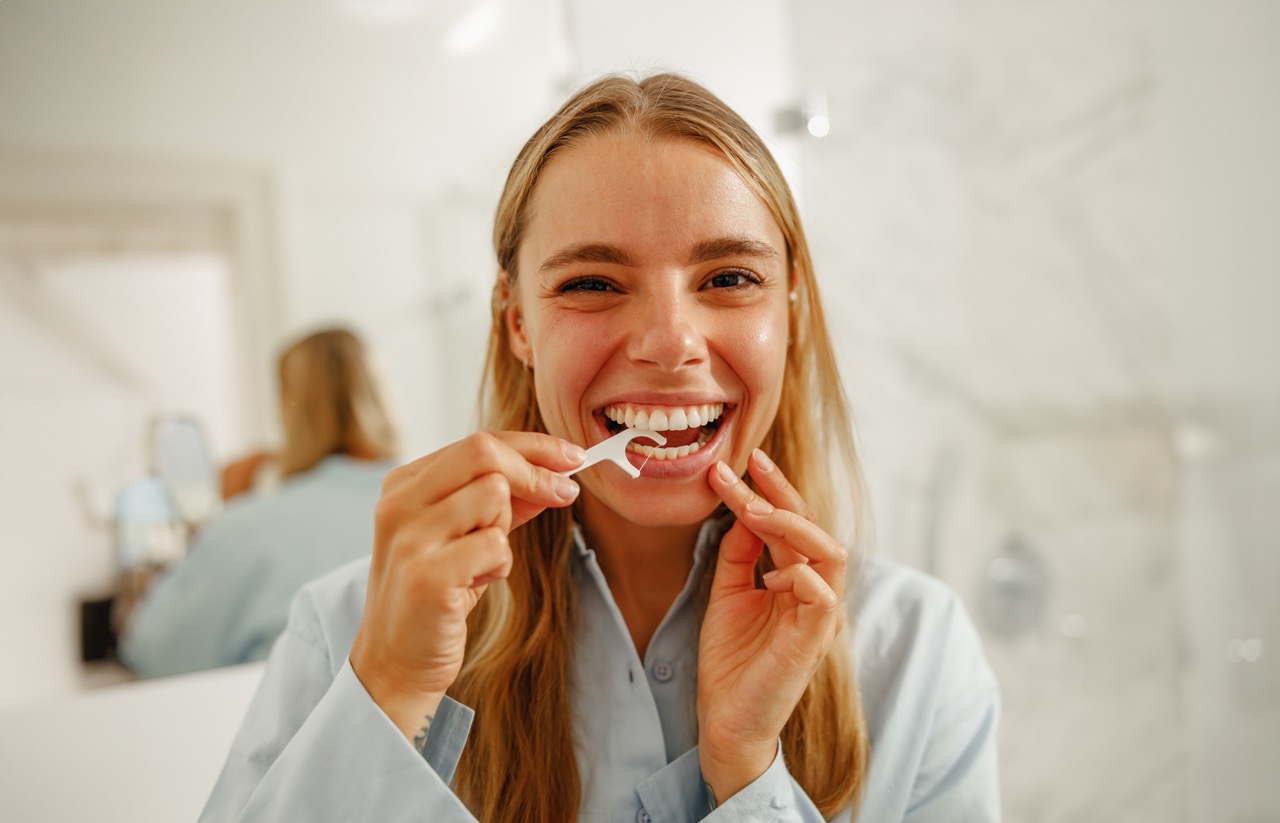
Small plastic handles with a short piece of floss. Easy to use, great for kids, and handy when you’re on the go.
5. Water Flossers (Oral Irrigators)
Use a pressurised stream of water to clean between teeth and below the gumline. Excellent for people with braces, implants, or limited hand mobility. Best used alongside — not instead of — string floss.
What’s the Right Way to Floss Without Damaging Our Gums?
Flossing technique matters. Done incorrectly, flossing can snap against the gums and cause unnecessary irritation or even minor bleeding. Here’s how to do it properly:
Use about 40 to 45 centimetres of floss, wind the ends around your middle fingers, and hold it taut. Gently slide it between your teeth with a rocking motion never force it. Curve the floss into a C-shape around each tooth, slide it just beneath the gumline, and move it up and down. Use a fresh section as you move around your mouth. It may feel a little uncomfortable at first, but your gums will adapt within a couple of weeks.
Can Kids and Teens Floss Too?
Yes — and the earlier they start, the better. Begin flossing when two of your child’s teeth are touching. That’s when the gaps become a risk for decay. Young children need help with flossing small hands make it tricky. Floss picks are a great starting point. As kids get older, they can take over independently. Building this habit early sets them up for a lifetime of better dental health.
Tips to Make Flossing Teeth a Habit
Like any new routine, flossing consistently takes a little effort at first. These practical strategies can help you make it stick.
-
Set a daily reminder:
Link flossing to brushing your teeth so you do both at the same time each night.
-
Keep floss nearby:
Store it next to your toothbrush. If you can see it, you’ll use it.
-
Start small:
Begin with just a few teeth and build up. Done imperfectly beats not done at all.
-
Use floss picks:
Easier to handle and quicker to use than string floss.
-
Track your progress:
Mark off each day on a calendar. A visible streak is a great motivator.
-
Make it enjoyable:
Listen to a podcast or playlist while you floss. It makes the task feel less like a chore.
-
Get support:
Make it a family habit. Flossing together each night is easier and sets a great example for kids.
-
Reward yourself:
After a week of consistent flossing, celebrate. Small rewards help new habits stick.
Conclusion
The importance of flossing is clear — it’s a simple, affordable habit that protects your teeth, supports your gums, freshens your breath, and benefits your overall health. The benefits of flossing teeth are immediate and long-lasting, and the cost of skipping it is far greater than the two minutes it takes.
For personalised advice on flossing technique or the best tools for your teeth and gums, the expert dentists at Dental Precinct are here to help.
About The Author